The Heart of Care: How Residential Homes Can Better Support Individuals with Dementia
One of the greatest mental and physical tests a family may endure is caring for a member who has been diagnosed with dementia. It is normal for family members to want to help out in the beginning since they feel obligated to do so out of love and to keep their loved one close to home. Cognitive impairment, behavioural problems, and physical dependence usually worsen as the disease advances. At some point, even the most caring family members may find themselves overwhelmed by the obligations of caring for a loved one at home. A better quality of life, safety, and emotional well-being can be achieved for everyone concerned when families reach this crossroads and choose to place a loved one in professional dementia residential care Stoke-on-Trent.
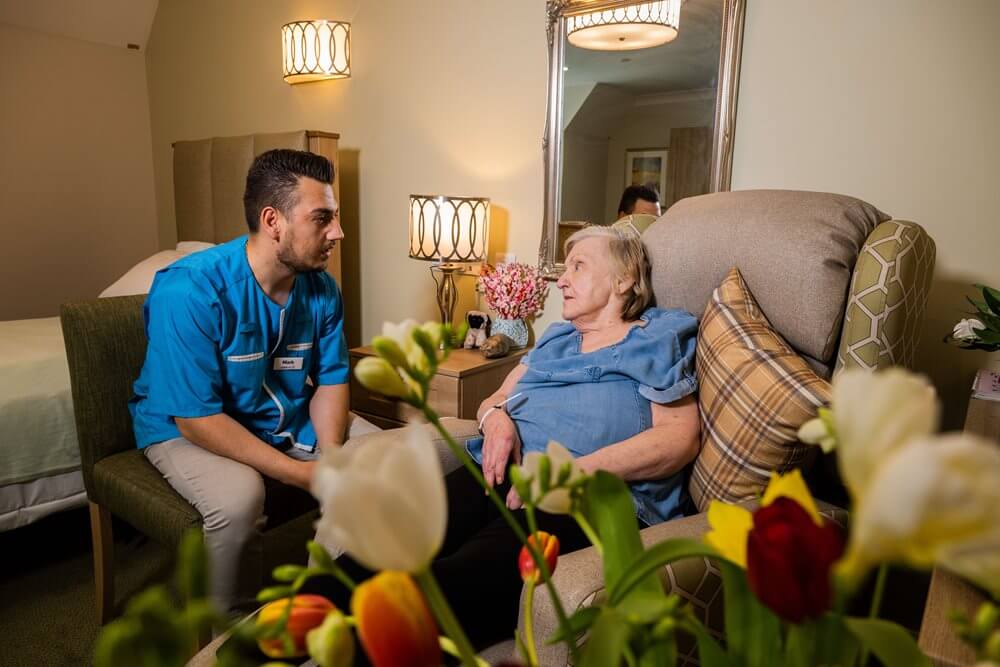
Without the proper education or experience, family carers may face enormous strain while caring for a loved one at home. Dementia is more than just a memory loss disorder; it changes who you are, how you sleep, how well you can communicate, and can even make you violent or anxious. Professional workers have a thorough understanding of the disease, which is necessary for managing these complicated behavioural signs. Dementia residential care in Stoke-on-Trent is provided in a setting that has been specifically intended to reduce confusion and frustration among residents. Instead of upsetting the person by correcting them, professionals know how to calm them down, gently redirect their wandering habits, and acknowledge their reality. When families attempt to handle these issues at home, communication breaks down, which increases tension and makes the carer feel like they’ve failed.
Among the many important ways in which business settings excel over their residential counterparts is in the area of safety. Anyone suffering from spatial disorientation or cognitive impairment might find concealed dangers in a typical family house. Serious accidents can occur on steep staircases, on slippery bathroom tiles, on intricate kitchen appliances or even on patterned rugs that resemble obstacles to a brain injured person. It can be expensive and often not enough to retrofit a house to accommodate these evolving needs. Secure perimeters, clear signs, consistent lighting to eliminate shadows that create hallucinations, and speciality flooring to reduce trip hazards are features of purpose-built or properly modified facilities providing dementia residential care Stoke-on-Trent. This 24-hour security system gives families the peace of mind they need by preventing individuals with wandering or cognitive issues from accidentally putting themselves in danger.
Also, a family caretaker takes an enormous physical toll. Caring for someone with dementia is an ongoing duty. The disorder is characterised by inverted sleep cycles, in which the affected person awakens in the middle of the night bewildered and tries to leave the house or complete complicated chores. A lack of sleep rapidly becomes a reality when a family member feels compelled to stay up all night long to protect their loved one. When a carer is constantly worn out, their mental health, immune system, and patience all take a major hit. A facility in Stoke-on-Trent that provides dementia residential care, on the other hand, uses shift-based staffing. This guarantees that the individual getting care is constantly attended to by an individual who is mentally and physically ready to deal with difficult behaviours, no matter the time of day.
When care is provided by trained professionals, it changes the emotional relationship between the family and the person with dementia. As a spouse or child takes on the role of full-time caretaker, the dynamic between them and the care recipient shifts from one of affection to one characterised by domestic duties such as feeding, washing, toileting, and medication monitoring. Because they may feel ashamed to depend on their children for intimate hygiene, the person receiving care may experience feelings of bitterness, shame, and loss of dignity as a result of this change. Those in need of dementia residential care in Stoke-on-Trent can rest easy knowing that caring experts will take care of the strenuous physical labour. Family members are able to return to their core position as spouses, parents, or children, free from the stress of clinical management. Instead of being draining shifts packed with physical effort, visits can become important social connections filled with shared experiences and affection.
Managing dementia at home alone can have unintended consequences, one of which is social isolation. Taking a loved one out into the community gets more challenging as the condition progresses owing to mobility limitations or unpredictable reactions to hectic situations. As a result, it’s not uncommon for the person receiving care and the one providing it to withdraw into themselves at home. Cognitive deterioration can be hastened by this absence of stimulus. Residents of dementia residential care Stoke-on-Trent are a member of a lively, supportive group in a structured environment. From mild exercise and sensory gardening to nostalgic music therapy and arts and crafts, there is an activity for every level of cognitive ability. Rather than being just for fun, these pursuits are therapeutic interventions that help build connections in the brain, keep motor skills sharp, and give people a sense of direction in life.
Managing one’s nutrition and medications at home also poses considerable challenges. A demanding administrative duty for an inexperienced relative is to remember to provide many drugs at exact intervals throughout the day. A single error can have major health effects. Dementia patients also have trouble swallowing, lose their appetite, or just forget to eat, turning mealtimes into a conflict. Medical professionals in a Stoke-on-Trent facility that specialises in dementia residential care closely monitor and administer all medications. In order to help people keep their weight and physical health in check without the usual hassles of cooking, dietitians and chefs work together to develop tasty, healthy meals that are easy to eat.
Care requirements will always rise due to the degenerative nature of dementia. While families may be able to handle the early phases on their own, it becomes increasingly difficult to provide the specialised medical care needed for the latter stages without a large number of visiting nurses. Long waiting lists and disjointed communication between healthcare providers are only two of the bureaucratic nightmares that might accompany obtaining external assistance services while residing at home. Healthcare is provided in an integrated fashion by a residential institution in Stoke-on-Trent that specialises in dementia residential care. Staff keep a close eye on residents at all times, which helps them detect subtle changes in physical health like small strokes or urinary tract infections. These conditions might cause abrupt behavioural changes that a tired family member could miss.
No one should ever feel bad about admitting defeat or failing to love when they decide to put a loved one into professional care. Rather, it is an incredibly compassionate gesture that acknowledges the limits of home care and puts the individual’s safety, dignity, and specific medical needs first. Individuals living with dementia in Stoke-on-Trent are guaranteed the utmost respect and comfort in their later years by means of the extensive infrastructure, skilled staff, and individualised environment available within dementia residential care. Families may mend broken relationships and make quality time together one of love, comfort, and meaningful connection instead of stress and tiredness by reducing the enormous pressure cooker that is home care.