Choosing Your Hair Restoration Journey: Evaluating Local Care and International Options
Making the option to have hair restoration is a very personal process that frequently requires in-depth investigation of expenses, clinical standards, surgical skill, and long-term recuperation. The main decision for people living in the UK or adjacent areas is usually whether to schedule a hair transplant in London or go abroad for treatment. Local therapy offers special benefits in terms of continuity of care, legal protection, and peace of mind, even though international medical tourism has become more popular due to cheaper upfront costs. Prospective patients can make an informed choice that fits their own budget, medical safety, and aspirations for dynamic, natural-looking results by knowing what to expect from both approaches.
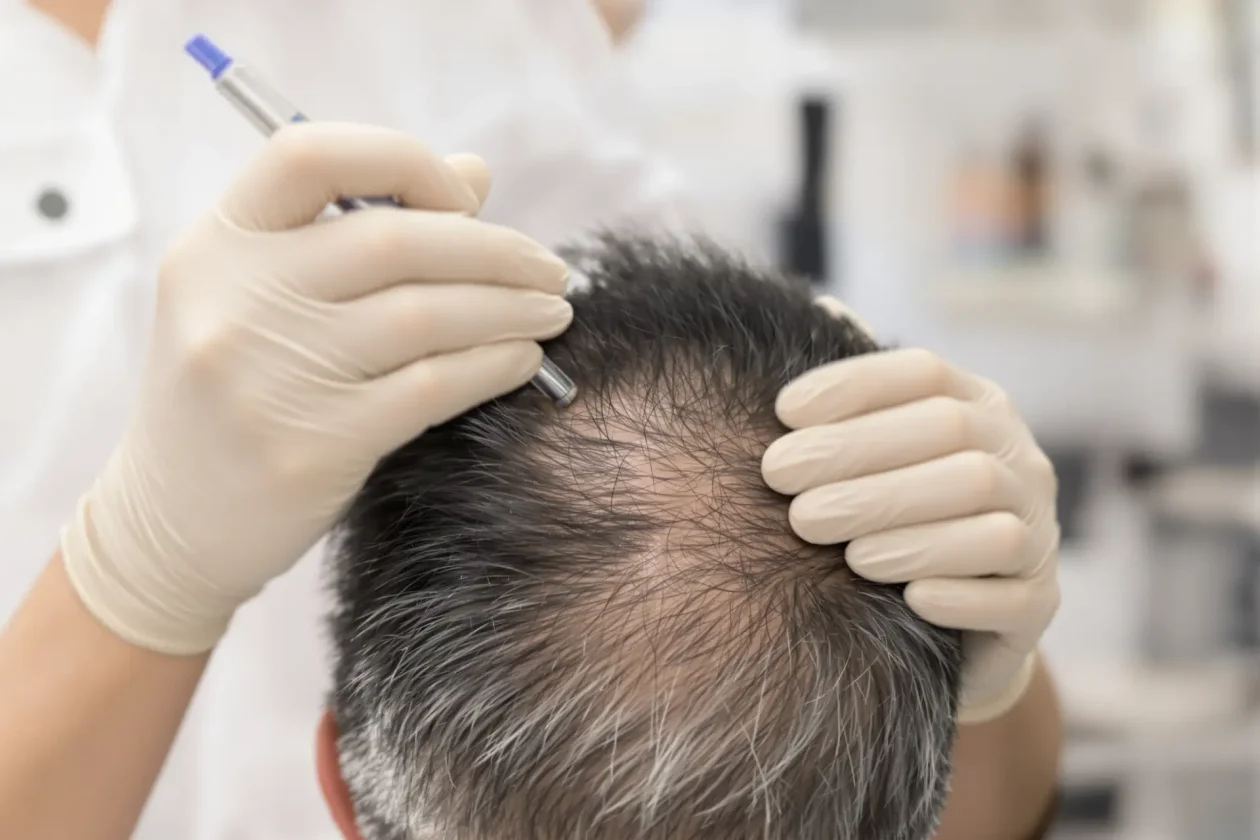
Selecting a nearby route offers instant benefits in terms of first consultations and general convenience. An in-person diagnostic session is typically the first step in the process of getting a hair transplant in London. During this in-person assessment, a surgeon can examine the donor area under magnification, evaluate the health of the scalp, pinpoint the precise pattern of hair loss, and talk about reasonable goals for hair density. In-person communication establishes a vital basis of confidence between the patient and the physician. On the other hand, choosing to travel overseas frequently necessitates doing preliminary consultations through video conversations or photos. Digital evaluations are a handy place to start, but they can often be inadequate for assessing scalp flexibility, delicate skin issues, or fine hair texture. This can sometimes result in treatment plan modifications once the patient reaches their destination.
Depending on the location of the procedure, several operating contexts are presented by the surgical experience itself. A London hair transplant is subject to strict domestic health rules, which guarantee that healthcare facilities follow strict operational, ethical, and hygienic requirements established by national health authorities. From the administration of local anaesthetics and hair follicle extraction to the careful construction of recipient sites and graft implantation, patients can often anticipate the operating surgeon to oversee every crucial stage of the surgery. The clinical structure can vary greatly while visiting abroad, especially to popular medical tourism destinations. Large parts of the extraction and implantation procedures are carried out by a group of medical technicians at certain foreign clinics under the direction of a head surgeon. Despite the fact that many foreign technicians are well qualified, there can be significant differences between clinics in terms of delegation and direct physician engagement.
Another important component of the entire therapeutic process is language and communication. Choosing a hair transplant in London ensures smooth communication in fluent English throughout the entire process. Patients can receive clear spoken instructions about post-operative care, review medical history without difficulty, and express delicate preferences on hairline shape. Even in clinics that explicitly serve international patients and hire translators, language obstacles may arise while travelling overseas for medical treatment. On the day of surgery, when rapid clarifying queries about comfortable placement, pain management, or hairline modifications require prompt, nuanced replies, clear communication becomes even more crucial.
The decision to travel abroad instead of scheduling a hair transplant in London is mostly motivated by financial concerns. For a fraction of the price paid domestically, international locations often offer package deals that include the surgical procedure, hotel accommodations, airport transfers, and post-operative wash kits. Lower operating expenses, different labour economies, and advantageous currency exchange rates in destination nations are the main causes of these alluring pricing points. However, going past the sticker price is necessary to assess the actual financial footprint. Additional costs for flights, travel insurance, companion travel, and possible leave from work are incurred when travelling overseas. Furthermore, the expense of returning overseas might soon offset any initial savings if difficulties develop after surgery or if a second corrective procedure is required.
Perhaps the most important difference between domestic treatment and medical tourism is aftercare and long-term follow-up. For a surgical restoration to provide good, natural results, the transplanted follicles must be consistently cared for over a period of twelve to eighteen months while they anchor, go into a resting phase, and eventually sprout new hair growth. Long-term follow-up care is simple and easily accessible after a hair transplant in London. At important intervals, like three, six, and twelve months after the treatment, patients can come back to the clinic for planned progress checks. Patients can easily schedule an emergency in-person evaluation with their treatment team if they have unanticipated swelling, redness, or folliculitis while recovering.
On the other hand, handling post-operative care following a trip overseas nearly exclusively depends on remote contact through email or digital messaging services. International clinics must evaluate images supplied via smartphone if a problem emerges after the patient has returned home, which can make it more difficult to diagnose localised skin conditions or early infection symptoms. The physical distance prohibits hands-on clinical intervention unless the patient is ready to arrange an unexpected journey back to the overseas site or seek local private treatment at additional personal expenditure, even though many international clinics provide thorough online support.
Careful thought should also be given to the legal and regulatory framework pertaining to medical operations. Patients receiving a hair transplant in London are safeguarded by well-established medical governance, rules governing professional conduct, and strong legal redress options in the event of medical malpractice or subpar care. Operating surgeons are registered with regional regulatory organisations that uphold stringent requirements for ethical behaviour and ongoing professional development. Travelling abroad entails entering a foreign legal jurisdiction where clinical accountability, medical liability standards, and patient rights may operate under completely different legislation, making formal resolution much more difficult should a disagreement arise.
There are also differences between the two methods in terms of recovery dynamics and physical comfort right after surgery. Patients can usually return home or remain at a nearby hotel the same day following a London hair transplant, recuperating in a comfortable setting close to their own support system. Going back home makes it easier to relax, requires less physical effort, and provides instant access to comforts like familiar cuisine. On the other hand, only a day or two following surgery, flying overseas necessitates suffering an international trip. Wearing protective headgear over a delicate, healing donor and recipient area, navigating crowded airport terminals, carrying luggage, and suffering cabin pressure changes are all part of flying soon after a scalp operation. In addition to increasing the possibility of unintentional touch or dislodgement of fragile fresh grafts, this travel procedure may cause additional physical strain.
Ultimately, a person’s preferences, risk tolerance, and unique situation will determine whether they choose to travel overseas or try a hair transplant in London. Staying local provides unparalleled peace of mind for individuals who value maximum convenience, direct surgeon supervision, smooth communication, strong regulatory safety nets, and in-person long-term aftercare. Overseas choices continue to be a tempting alternative for patients operating under tight financial constraints who are at ease with international travel, remote aftercare management, and navigating foreign medical environments. A confident decision to restore both hair and confidence is ensured by carefully balancing these considerations against long-term expectations.