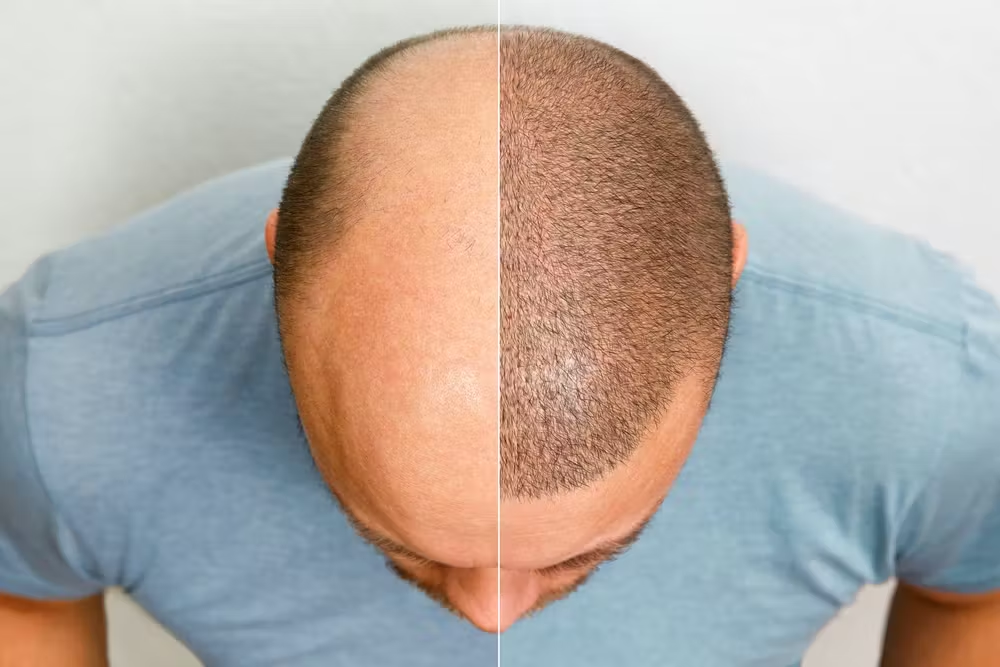
Navigating the World of Hair Transplant Before and After UK Photos: What to Look For
In today’s world, clinics sharing patient images to highlight results can make it hard to tell real outcomes from strategically crafted marketing. Many people looking into hair restoration are often drawn to striking before and after images. The best way to make an informed decision is to train yourself to scrutinise the details of each image. Focusing on authenticity helps create a clearer expectation of what a hair transplant entails for you. Learning to authenticate hair transplant imagery from the UK before and after is essential for patients seeking clarity over hype.
The term hair transplant before and after UK appears often in clinic galleries, social media, and patient discussions, and for valid reasons. This term focuses the conversation on a particular national healthcare environment, influencing outcomes through regulatory standards, common treatment protocols, and cultural expectations. This allows for direct comparisons when assessing clinics in the same area. Genuine assessment depends on uniformity: analyse comparable photos, similar scalp conditions, and alike hair loss patterns, all within the context of hair transplant before and after UK materials. Adopting this perspective shifts focus from isolated snapshots to a narrative that captures real-world outcomes.
Transparency regarding the timing of the photos is an early indicator of authenticity. Hair transplant before and after UK photos typically feature a clear time stamp or mention the postoperative period. You want to determine if the after photo was taken weeks, months, or years post-procedure. Overly polished surfaces or sudden improvements can raise suspicions about the use of filters or cropping. Seek comments or captions that reveal the recovery timeline, and be wary of images without any time context. A credible comparison relies on the hair’s appearance at two specific points in time, strengthening the idea of hair transplant before and after in the UK beyond mere aspiration.
Lighting and angle significantly influence perceived outcomes and are often utilised in promotional visuals. When evaluating hair transplant before and after photos in the UK, check for consistent lighting between the images, or if the after photo has softer lighting, more flattering angles, or reduced shadows. Genuine photos should steer clear of using dramatic lighting alterations that amplify density, coverage, or texture. Examine the equipment used if the after photo appears to glow compared to the before photo, and question if the clinic is showcasing a genuine transformation or a stylised impression. A keen focus on balance—considering density, hairline, and donor area—allows you to assess the feasibility of results for individuals with comparable beginnings, highlighting the significance of hair transplant before and after UK as a reference point.
Clinician notes and supporting details are essential for accurate assessment. A responsible clinic typically outlines a patient’s journey, detailing technique, graft counts, donor site care, and recovery milestones. When considering hair transplant before and after in the UK, seek these additional details to complement the images. Lack of technical explanation doesn’t invalidate an image, but it should encourage examination of the broader evidence: is there a patient story, case study, or follow-up discussion that clarifies the result’s evolution? Evaluating hair transplant results in the UK requires consistent narratives alongside photos to differentiate genuine outcomes from isolated images. If a gallery is missing this additional support, take a careful approach and gather more information before making any conclusions.
Source credibility is a crucial filter. Trusted clinics that share patient imagery typically uphold quality control and patient consent, enhancing trust. When considering hair transplant before and after in the UK, focus on how the clinic presents patient identity, the detail provided, and if the images reflect typical outcomes instead of exceptions. A gallery showcasing a few standout cases with minimal context likely means the overall portfolio doesn’t represent the typical result. A transparent collection showcasing various photos from different patients and stages is more likely to accurately represent the typical experiences of UK clients before and after hair transplants.
Photographic metadata and editing practices serve as nuanced yet significant signs of authenticity. Indicators from reality include unchanged skin texture, normal hair shedding in the growth phase, and believable density changes instead of flawless uniformity. When evaluating hair transplant before and after images in the UK, check for signs of retouching, like uneven skin tones, cloned hair strands, or uniform colour in different areas. Clinics committed to strong ethics will reveal any improvements and offer unmodified originals when asked. When you see images that seem heavily edited or filtered, consider them as potential marketing rather than trustworthy proof of usual outcomes. The principle of hair transplant before and after in the UK is to set realistic expectations based on honesty and verifiable evidence, rather than embellishments and illusions.
A practical method is to compare the imagery with independent patient experiences. Clinics naturally showcase their own patients, but comparing multiple sources strengthens authenticity validation. When searching for hair transplant before and after UK information, seek out patient forums or testimonials that cover actual recovery experiences, side effects, and result longevity. Alignment between patient reports and imagery enhances the credibility of the claims. In case of discrepancies in patient accounts regarding regrowth speed, donor site healing, or hair quality, remain cautious and request additional clarification before proceeding with a decision. This triangulation effectively addresses hair transplant before and after UK content without depending on one promotional source.
Consent raises important ethical issues in the assessment of before and after images. Reputable clinics obtain informed consent for photo use in marketing, ensuring patient confidentiality is maintained. When viewing hair transplant before and after visuals from the UK, pay attention to whether the patient’s identity is sufficiently protected or if there are identifiable details that might breach privacy. Handle the material carefully if consent documentation is unavailable. A discerning reader recognises that genuine authenticity goes beyond the image to include the fairness and legality of its distribution. In a setting where the implications of cosmetic procedures are significant and personal, ethics form the foundation of the story regarding hair transplants before and after in the UK.
Geography and patient selection play a crucial role. Hair transplant results depend on factors like hair texture, colour, donor density, and hair loss pattern. When reviewing hair transplant before and after content in the UK, it’s wise to ensure the photos show patients with characteristics similar to yours. A gallery might display impressive outcomes in someone with thick donor hair and minimal scarring, but your individual situation could vary significantly. Use hair transplant before and after imagery from the UK as a reference, not a definitive prediction. Seek diversity in the patient pool in the gallery and be aware of unrepresentative examples. This perspective aids in managing expectations and valuing what is realistically possible with your individual anatomy.
A well-curated portfolio proves its worth during consultation planning. Reviewing hair transplant before and after photos from the UK can help you create a list of questions to address your priorities before choosing a surgeon or clinic. Compare density patterns in various images to gauge the expected coverage from a specific technique. Review the hairline design in before and after UK visuals to see if the aesthetic targets match your preferences. Developing a clear understanding of result presentation equips you for more effective discussions with clinicians regarding realistic outcomes, recovery timelines, and maintenance factors. Enter the consultation with a clear understanding of your top values regarding the hair transplant experience, both before and after, as reflected in the UK narratives you’ve come across.
Develop a healthy scepticism to guard against depending too much on one source. The best method for hair transplant imagery in the UK involves solid evidence: reliable photo documentation, patient experiences, clear technical details, and ethical consent practices. If you’re unsure after looking at examples, take a moment to create a checklist of what you believe is essential for authenticity. This method minimises the chance of being influenced by emotionally appealing yet deceptive images. By carefully examining hair transplant before and after content in the UK, you can develop a thoughtful plan that aligns with your expectations, budget, and comfort level with risk.
Evaluating hair transplant imagery from the UK before and after requires careful consideration of context, timing, lighting, source credibility, and ethical factors. Asking the right questions and comparing authentic signals helps you distinguish real results from marketing tricks. The term hair transplant before and after UK helps you assess methods, recovery, and results in the context of the UK medical environment. This method ensures your decisions rely on reliable information, realistic expectations, and a clear grasp of what can be achieved in your hair restoration journey. Making an informed decision requires more than just one image or story; it involves thoughtfully combining various data points that reveal real possibilities instead of unrealistic forecasts.