From the Moon to the Metropolis: The Enduring Allure of Omega Timepieces
In the ever-evolving landscape of luxury horology, few names command as much respect and fascination as Omega. Since its inception in the mid-nineteenth century, the Swiss manufacturer has transitioned from a small workshop in La Chaux-de-Fonds to a global powerhouse that defines modern standards of precision and prestige. In 2025, the brand’s popularity has reached a historic zenith, driven by a unique blend of heritage, technical innovation, and a masterful command of cultural storytelling. To understand why Omega superclone watches remain a primary choice for both seasoned collectors and first-time buyers, one must look at how the brand balances its legendary past with a relentless drive toward the future.
The foundation of Omega’s enduring appeal lies in its rich history, which is peppered with milestones that transcend the watch industry itself. While many luxury brands rely on manufactured exclusivity, Omega’s reputation is built on tangible achievements. The most significant of these is undoubtedly the Speedmaster’s role in space exploration. Chosen by NASA in the mid-1960s after a series of brutal tests that saw other contenders fail, the Speedmaster became the first watch worn on the moon during the Apollo 11 mission in 1969. This “Moonwatch” legacy is not merely a marketing footnote; it is a central pillar of the brand’s identity that resonates with the human spirit of discovery. Even today, the manual-wind Speedmaster Professional remains a cornerstone of the luxury market, appreciated for its functional design and its direct connection to one of humanity’s greatest triumphs.
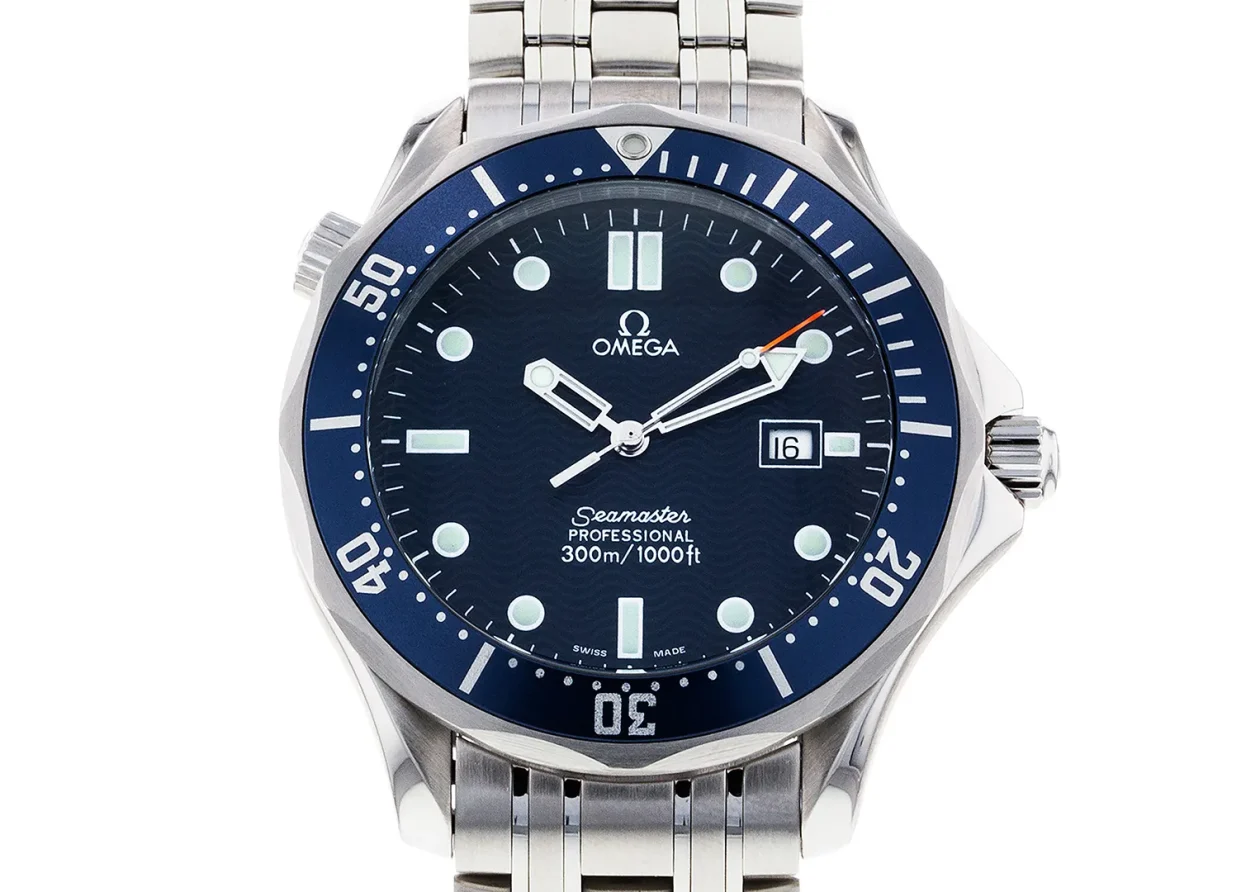
Beyond the vacuum of space, Omega has secured its place in the popular imagination through its long-standing association with the world of cinema, specifically the James Bond franchise. Since 1995, when the Seamaster first appeared on the wrist of 007 in GoldenEye, Omega has been the definitive timepiece of the British secret agent. This partnership has been instrumental in repositioning the Seamaster collection—originally a robust military-spec tool watch from the 1940s—as a symbol of contemporary elegance and rugged sophistication. The “Bond Effect” has introduced the brand to a global audience who may not be horological experts but are drawn to the lifestyle of refinement and adventure that the watch represents. By aligning itself with a character who embodies poise under pressure, Omega has successfully cultivated a brand image that is both aspirational and relatable.
While heritage and marketing provide the initial allure, it is Omega’s commitment to technical superiority that ensures long-term loyalty. In an industry where traditional movements can sometimes feel archaic, Omega has led a revolution in mechanical watchmaking. The introduction of the Co-Axial escapement, originally invented by the English watchmaker George Daniels, marked a turning point in the late twentieth century. By drastically reducing friction within the movement, this technology increased the longevity and stability of the watches, allowing for longer service intervals. In 2025, this innovation has evolved into the Master Chronometer certification. Conducted by the Swiss Federal Institute of Metrology, or METAS, this testing process subjects watches to magnetic fields of 15,000 gauss—an industry-leading standard that ensures the timepieces remain accurate even in the presence of modern electronics. This transparency in performance gives buyers a level of confidence that few competitors can match.
The current market dynamics of 2025 also play a significant role in Omega’s rising prominence. As the luxury watch world has seen a shift away from the speculative “hype” cycles that previously dominated the industry, collectors are increasingly looking for value and accessibility. While some rival brands have become synonymous with lengthy waiting lists and inflated secondary market prices, Omega has maintained a more balanced approach. The brand offers a diverse range of models across its four primary pillars—Speedmaster, Seamaster, Constellation, and De Ville—ensuring that there is a high-end option for every taste and occasion. This accessibility, combined with the brand’s high manufacturing standards, has made Omega a “safe” yet exciting investment. It is perceived as the smart money choice: a watch that holds its value well while actually being available for the enthusiast to wear and enjoy.
Innovation in materials has further bolstered the brand’s contemporary standing. Omega has been a pioneer in the use of advanced ceramics, silicon, and proprietary gold alloys such as Sedna and Moonshine gold. These materials are not just for aesthetic flair; they serve practical purposes, such as enhancing scratch resistance or preventing the fading of colour over time. Recent releases in 2025 have showcased this expertise, with the brand experimenting with lunar meteorite dials and ultra-light titanium cases that push the boundaries of how a luxury watch feels on the wrist. This willingness to experiment ensures that the brand never feels stagnant, appealing to a younger generation of collectors who value modern engineering as much as traditional craftsmanship.
Furthermore, the brand’s role as the Official Timekeeper of the Olympic Games since 1932 provides a constant reminder of its precision. This relationship requires Omega to develop cutting-edge timing technology for the world’s greatest athletes, a task that demands absolute accuracy down to the millisecond. The prestige of being associated with the pinnacle of sporting achievement reinforces the idea that an Omega is not just a piece of jewellery, but a precision instrument. For the British consumer, who often appreciates the marriage of heritage and utility, this narrative is particularly compelling. The brand’s presence in major UK cities, from the boutiques of London’s Bond Street to the high-end retailers of Manchester and Edinburgh, reflects its status as a staple of British luxury culture.
The versatility of the Omega catalogue is perhaps its greatest strength in the modern era. The Seamaster Aqua Terra, for example, represents the perfect “everyday” luxury watch, capable of transitioning from a business meeting to a weekend on the coast. Meanwhile, the Constellation and De Ville lines cater to those seeking a more classical, dress-oriented aesthetic, often featuring intricate dial work and elegant proportions. This breadth of choice ensures that Omega is not pigeonholed as merely a “sports watch” brand. It is a comprehensive luxury manufacturer that understands the multifaceted lives of its owners.
In conclusion, the popularity of high-end Omega watches in 2025 is the result of a perfectly executed long-term strategy. By honouring its past through the Moonwatch and James Bond legacies, while simultaneously outpacing the competition through the Master Chronometer revolution and material science, Omega has created a brand that feels both timeless and essential. It occupies a unique space in the market where it is respected by the most demanding horological purists yet remains accessible and desirable to the wider public. As collectors continue to prioritise substance over speculation, Omega’s trajectory suggests that its position at the forefront of the Swiss watch industry is not only secure but destined to grow even stronger.