Blocked Drains Southampton: Should You Fix It Yourself or Call a Professional?
Few household problems cause as much immediate stress as a blocked drain. Whether it is the kitchen sink refusing to empty, the bathroom shower pooling with water, or a foul smell rising from the garden inspection chamber, blocked drains Southampton residents deal with are a common and often disruptive part of property ownership. The question that almost every homeowner faces at some point is a deceptively simple one: do you attempt to fix it yourself, or do you pick up the phone and call a professional drainage engineer?
The answer depends on several factors, including the severity of the blockage, the age and layout of your property’s drainage system, your own confidence and ability, and — perhaps most importantly — the hidden risks that come with getting it wrong. This article sets out to explore both sides of the argument in full, so that Southampton homeowners can make an informed and cost-effective decision.
Understanding Why Drains Block in the First Place
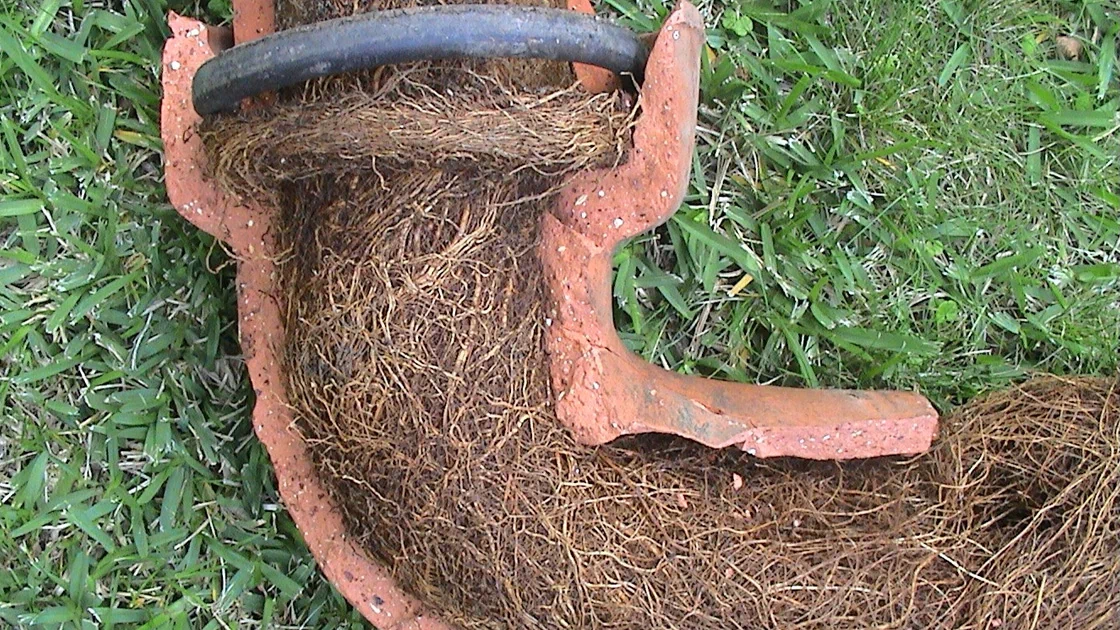
Before deciding how to tackle the problem, it helps to understand what is causing it. Blocked drains Southampton properties experience are typically the result of a gradual build-up of material inside the pipe. In kitchens, this is most commonly grease, fat, and food particles that solidify along the inner walls of the pipework over time. In bathrooms, the usual culprits are hair, soap residue, and toothpaste. Outside, leaves, silt, and root ingress from nearby trees are frequent offenders, particularly in older Southampton properties with ageing clay pipework.
In some cases, the blockage is a simple, localised affair sitting just beneath the plughole. In others, the problem is far deeper in the system, perhaps occurring at a shared junction or even in the main sewer. Knowing which type of blockage you are dealing with is essential, and this is where the DIY approach can quickly run into trouble.
What the DIY Approach Can Achieve
There is no question that for minor, surface-level blockages, a capable and patient homeowner can achieve perfectly good results without professional help. A standard plunger, used correctly with a proper seal over the plughole, can dislodge soft blockages close to the surface. Drain rods — long, flexible rods that screw together and can be inserted into an outdoor drain — are another tool that many Southampton homeowners keep in the shed for exactly this purpose.
Chemical drain cleaners are widely available and can dissolve organic matter such as grease and hair. However, they must be used with considerable caution. These products contain highly caustic ingredients that can damage older or corroded pipework if used repeatedly, and they pose a significant health risk if mishandled. Many Southampton properties, particularly Victorian and Edwardian terraces in areas such as Shirley, Freemantle, and Portswood, have pipework that is decades old and should not be subjected to repeated chemical treatment.
For a slow-draining sink that has never been properly cleaned, a DIY solution is often all that is needed. The key is to be honest with yourself about the limits of what you are dealing with.
When DIY Becomes Dangerous
The problems with the DIY approach begin to multiply as soon as the blockage is anything other than straightforward. One of the most common mistakes that homeowners make when dealing with blocked drains Southampton-wide is to use drain rods too aggressively. Forcing rods through a stubborn blockage without knowing the pipe layout can result in joints being dislodged, pipes being cracked, or the blockage being pushed further into the system rather than cleared.
There is also the matter of diagnosis. A drain that empties slowly is not always blocked in the conventional sense. It may be partially collapsed, suffering from root ingress, or affected by a structural defect. Attempting to rod or plunge a drain with an underlying structural issue can make the damage significantly worse, turning a relatively affordable repair into a far more expensive excavation job.
Then there is the matter of health. Drainage systems carry wastewater and, in some cases, raw sewage. Without the correct personal protective equipment and a proper understanding of safe working practices, homeowners can expose themselves to harmful bacteria, including pathogens associated with serious illness. Professional drainage engineers are trained to work safely in these environments as a matter of routine.
The Case for Professional Drain Unblocking
Calling a qualified drainage professional to deal with blocked drains Southampton homeowners are experiencing is not an admission of defeat — it is frequently the smartest and most cost-effective decision you can make. Professional engineers bring with them both experience and equipment that simply cannot be replicated at home.
High-pressure water jetting is the gold standard for drain unblocking and is the method most professional companies use as a first approach. A powerful jet of water is fed through the pipework, cutting through grease, scale, and compacted debris with far greater efficiency than any rod or chemical product. The result is not just a cleared blockage, but a thoroughly cleaned pipe that is far less likely to block again in the near future.
Beyond jetting, professional engineers have access to CCTV drain survey technology. A small camera is fed through the pipework and transmits live footage to a monitor above ground, allowing the engineer to see exactly what is happening inside the pipe. This is enormously valuable when dealing with recurring or stubborn blocked drains in Southampton properties, because it removes all guesswork. The cause of the blockage — whether it is root ingress, a collapsed section, a build-up of scale, or a misaligned joint — can be identified precisely and a targeted solution applied.
Weighing Up the Costs
Cost is understandably a major factor in the decision. At first glance, the DIY approach appears far cheaper. A plunger costs next to nothing, drain rods can be purchased inexpensively, and a bottle of chemical cleaner is a fraction of the price of a professional call-out. For a simple blockage, this logic holds true.
However, the cost comparison shifts dramatically when a DIY attempt goes wrong or fails to fully resolve the problem. A blockage that is partially cleared and then returns, or worse, one that causes pipe damage in the process, will ultimately cost considerably more to put right than it would have done had a professional been called at the outset. For persistent blocked drains Southampton homeowners have been battling with for weeks or months, the professional route will almost always prove better value over the medium term.
It is also worth considering the value of your time. Drain unblocking can be an unpleasant, time-consuming task, and there is no guarantee that hours of effort will result in a successful outcome. Professional engineers typically resolve blocked drains Southampton residents report within a single visit, and most reputable companies offer some form of guarantee on their work.
Southampton-Specific Considerations
Southampton’s housing stock introduces a few particular factors worth bearing in mind. The city has a large proportion of older properties with clay drainage systems that are more susceptible to root ingress and joint displacement than modern plastic pipework. Coastal proximity and tidal groundwater levels in some lower-lying areas of the city can also place additional stress on drainage infrastructure.
Southampton’s combined sewer network, which carries both surface water and foul water in the same pipe, means that some drainage issues in the city fall under the responsibility of the water authority rather than the individual homeowner. If you are experiencing blocked drains Southampton-wide across your street or neighbourhood, the problem may lie in the public sewer rather than your private system, and reporting it to the relevant authority rather than attempting any form of DIY intervention is the appropriate course of action.
Making the Right Decision
Ultimately, the decision between DIY and professional drain unblocking comes down to an honest assessment of the situation. If you have a slow-draining sink and a clear sense of where the blockage lies, a carefully applied DIY solution may be entirely appropriate. If the problem is persistent, widespread, accompanied by bad smells, gurgling noises, or visible sewage, or if you have any doubt at all about the cause, then calling a professional is the right call.
Blocked drains Southampton properties experience are rarely as simple as they first appear, and the cost of getting it wrong — in terms of both money and potential damage to your property — can be significant. When in doubt, trust the professionals. Their expertise, equipment, and diagnostic capabilities make them far better placed to resolve drainage problems quickly, safely, and permanently, giving you peace of mind that no amount of DIY effort can reliably provide.